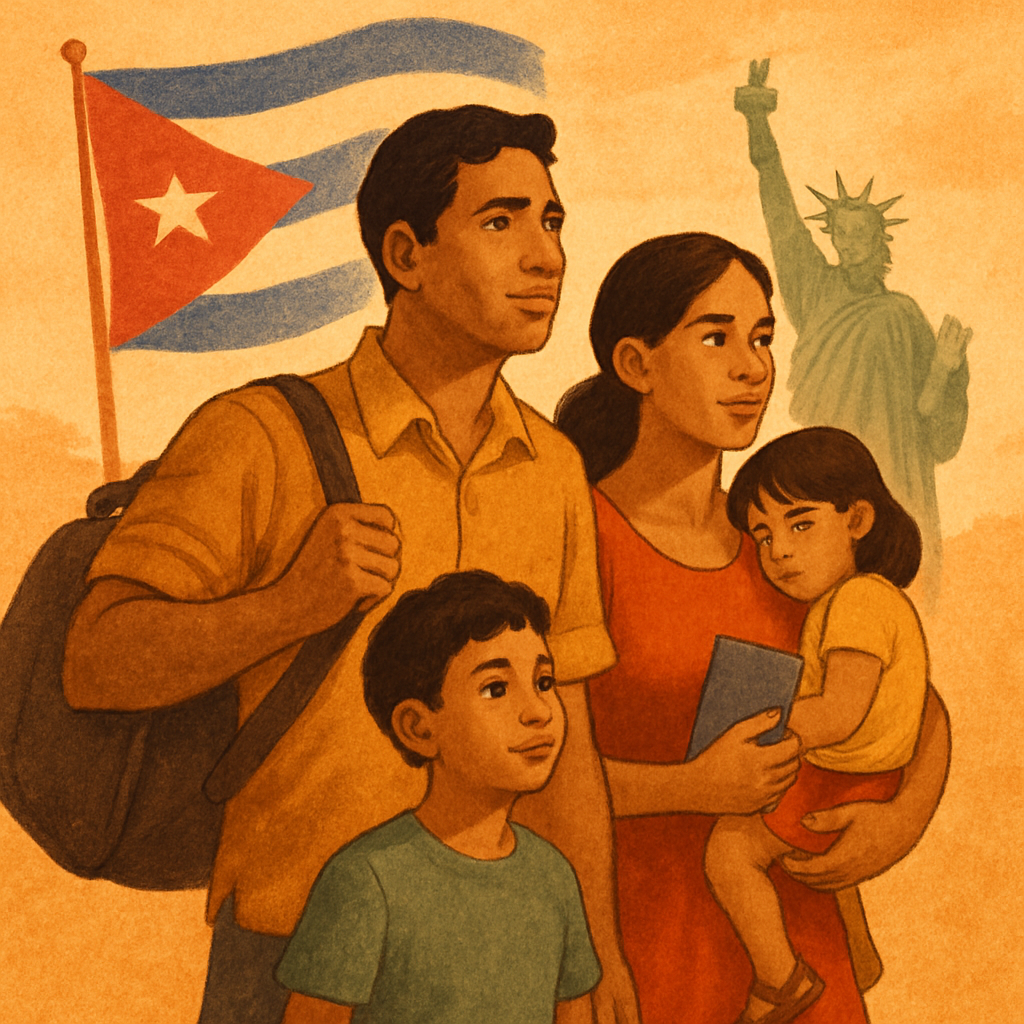
Cuban Family's Journey to the US via Humanitarian Parole
The Decision to Leave Cuba
My name is Luis, and I'm 34 years old. Along with my wife, Ana, and our two young children, we decided to leave Cuba in search of a more secure and prosperous future. The political and economic climate made it increasingly difficult to provide for our family, so we applied for humanitarian parole to the United States.
Finding a Sponsor
The first major hurdle was finding a sponsor willing to support us. This was not just about financial support but also someone to vouch for us during the parole process. Through an old friend who had moved to Miami years ago, we were introduced to a Cuban-American community organization. They were incredibly helpful, connecting us with a family willing to be our sponsors. We learned that building a network and reaching out through community groups was crucial.
Arrival and Initial Challenges
Arriving in Miami was a mix of relief and anxiety. While we were grateful to be in the US, the reality of starting over was daunting. We quickly found temporary accommodation through our sponsor family, but the hunt for a permanent apartment was tough. The rental market in Miami is competitive, and many landlords require proof of income and credit history, which we didn’t have. We had to pay several months’ rent upfront, which strained our limited resources.
Work Authorization and Settling In
Securing work authorization was another challenge. It took longer than expected, over six months, due to processing delays. During this time, Ana and I took turns doing odd jobs under the table, which was stressful and risky. Once we received our work permits, things began to stabilize. We were able to find more steady jobs—Ana as a cashier and me in construction.
Tips for Others
1. Network Early: Start building your network as soon as possible. Community groups can provide invaluable support and connections.
2. Budget for Delays: Be prepared for processing delays in work permits and other legal documents. Having a financial cushion is essential.
3. Research Housing Options: Look into housing options and requirements before arrival to avoid surprises. Some areas may have more immigrant-friendly policies.
Reflecting on the Journey
Looking back, the journey was not easy, but it was worth it. The biggest win for us has been seeing our children adapt and thrive in their new environment. They are picking up English quickly and are excited about their new school. While we still face challenges, we are optimistic about our future here. Our story is just one of many, but I hope it can offer some guidance and hope to others considering a similar path.