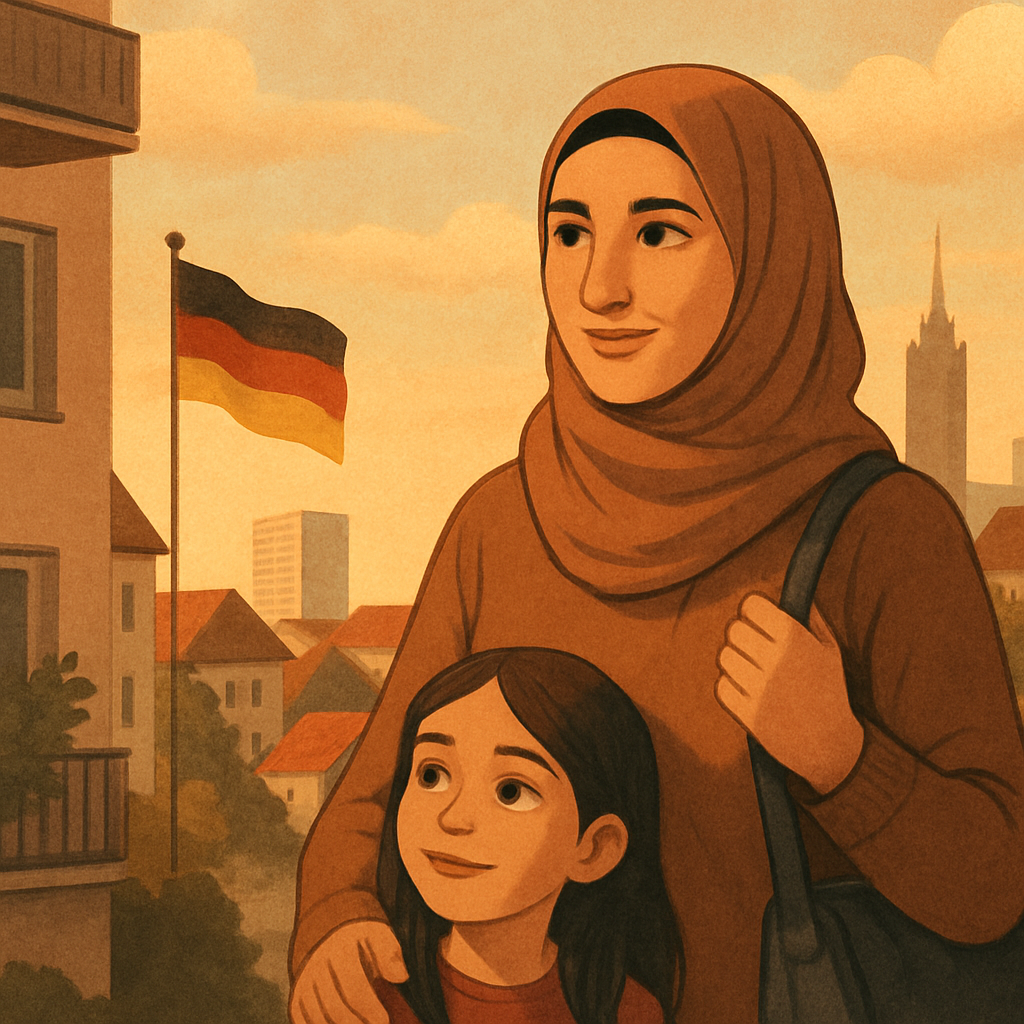
Syrian Refugee Finds New Life in Germany
Arrival and Early Challenges
My name is Omar, I'm 29 years old, and I resettled in Germany from Syria in 2020. I was granted asylum and initially settled in a small town near Stuttgart. The first few months were incredibly challenging. I struggled with the German language, which made everyday tasks daunting and often frustrating. To overcome this, I enrolled in an intensive language course offered by a local integration program. Despite my efforts, reaching a conversational level took almost a year.
Finding Employment
Finding work was another hurdle. With my engineering degree from Syria, I hoped to resume my career. However, I quickly realized that my qualifications weren't immediately recognized in Germany. I was advised to go through a recognition process which took several months and required translations and verifications of my documents. During this period, I took up various part-time jobs, including working in a warehouse, which helped with bills but was far from my career goals.
Persistence paid off when I eventually found an internship as an engineering assistant in a local firm. This opportunity proved invaluable, allowing me to gain the necessary German work experience. After six months, I was offered a full-time position.
Family Reunification
While settling into my new life, I longed for my wife and daughter who remained in Lebanon. The family reunification process was a bureaucratic maze and took three years. I had to provide proof of stable income and adequate living space, which added pressure as I was still establishing myself.
Finally, in 2023, they received their visas. The reunion at Munich Airport was one of the happiest moments of my life, a culmination of years of effort and hope.
Tips for New Refugees
1. Language is Key: Enroll in language courses as soon as possible. Consider online resources and language exchange meetups, which can be helpful if formal classes aren't feasible.
2. Understand Qualification Recognition: If you have a professional degree, research the recognition process early. Websites like ANABIN can provide guidance on how your foreign qualifications are viewed in Germany.
3. Stay Persistent with Family Reunification: This process can be long and emotionally challenging. Seek advice from NGOs and legal aid organizations which can help navigate the paperwork and requirements.
Conclusion
Resettling in Germany was fraught with challenges, but the community support and structured integration programs made a significant difference. Now, with my family by my side, I feel optimistic about our future in this new homeland.