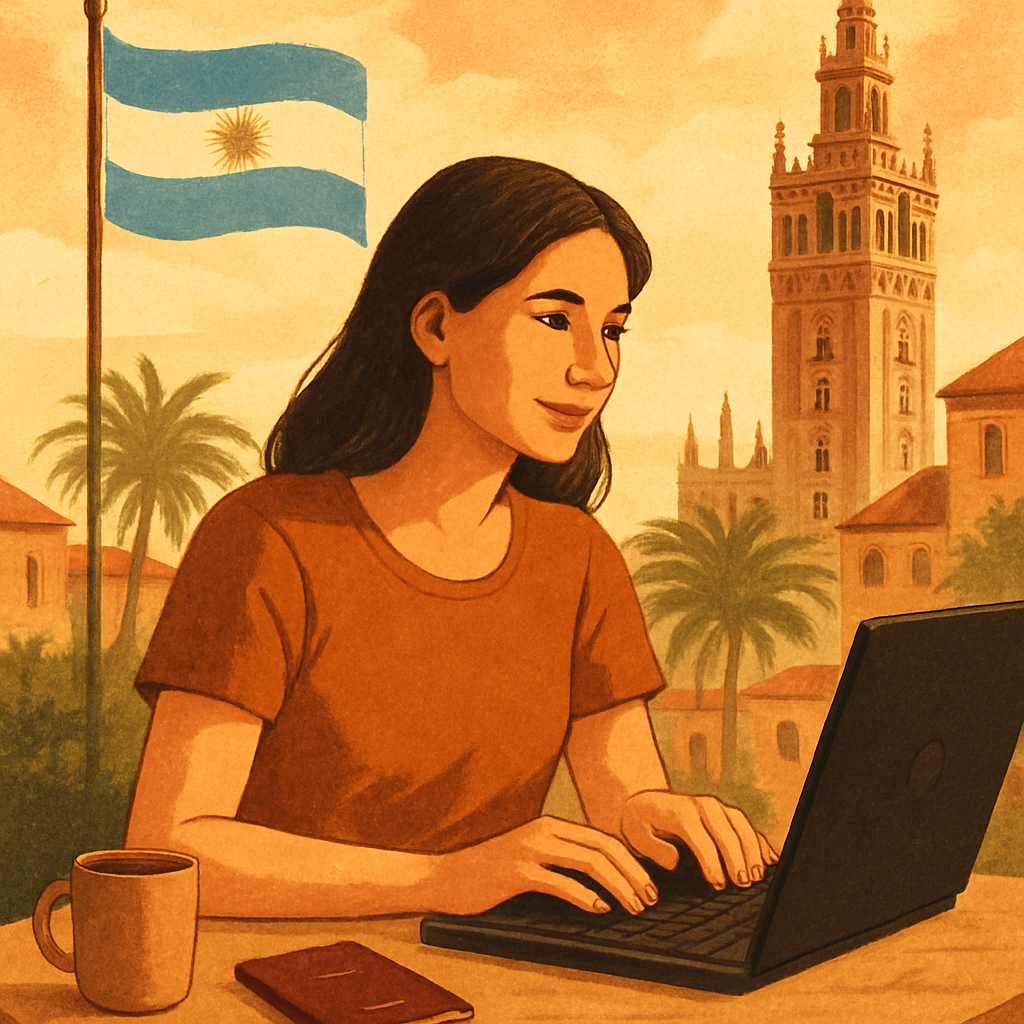
Navigating Spain's Digital Nomad Visa as an Argentine Remote Worker
Introduction
Hello, I'm Martín, a 34-year-old software developer from Buenos Aires. I recently embarked on a journey to relocate to Spain using the digital nomad visa. As someone who works remotely for a U.S.-based company, I was excited about the prospect of living in Europe while continuing my work. However, the experience came with its share of hurdles and learnings.
The Visa Process
The digital nomad visa seemed like the perfect option for me. It allowed me to live in Spain while working remotely, without needing a Spanish employer. The application process began with gathering documentation, including proof of employment, income, and health insurance. One of the major challenges was securing an appointment at the Spanish consulate in Buenos Aires. The slots were limited, and I had to check the online system daily for cancellations. Eventually, after weeks of persistence, I managed to book an appointment.
Tax Surprises
I had read various articles about Spain's tax laws, but it wasn’t until after receiving my visa that I fully grasped the implications. Despite being a non-resident, I was still subject to certain taxes in Spain. I consulted with a tax advisor who helped me navigate the complexities and ensure compliance. A tip for others: Start consulting with a tax professional early on to avoid any surprises and understand your obligations in both your home country and Spain.
Social Security Challenges
Another unexpected hurdle was the requirement to contribute to Spain's social security system. This was a bit confusing, as I was already paying into Argentina's system. After some research, I learned about the bilateral agreements between Spain and Argentina, which could potentially prevent double payment. However, the process was not straightforward, and I ended up spending many hours on calls with both Argentine and Spanish officials to sort it out.
Tips for Fellow Expats
1. Start Early: Begin your visa application process as soon as possible, and regularly check for consulate appointment openings.
2. Professional Advice: Engage with a tax advisor familiar with international tax law early on to avoid unexpected liabilities.
3. Research Social Security Agreements: If your home country has a social security agreement with Spain, explore how it can benefit you to avoid double contributions.
Conclusion
Despite the challenges, relocating to Spain was worth the effort. The lifestyle, culture, and climate are incredible, and I've found a fantastic community of fellow expats. Patience and perseverance were key in overcoming the bureaucratic hurdles, and I hope my story can help others prepare for their own journey.