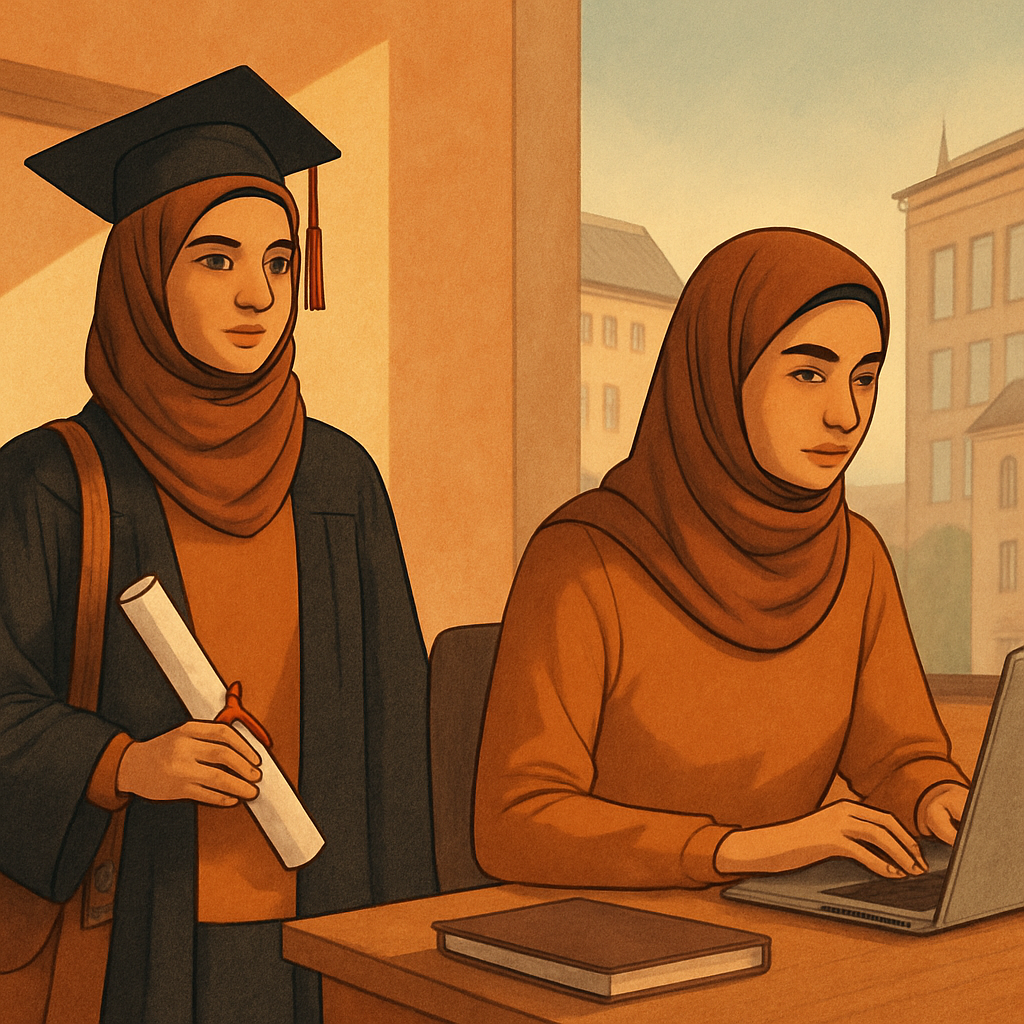
From PhD to Job Search: An Iranian Student's Journey in Germany
Starting as a PhD Student
Hi, I'm Amir, a 29-year-old originally from Tehran. I moved to Berlin in 2018 to pursue my PhD in Environmental Science. Initially, the process felt intimidating, especially setting up the blocked account (Sperrkonto) required for my student visa. I remember having to transfer a large sum to meet the minimum yearly requirement, which was €10,236 at the time. The blocked account felt like a massive financial burden, but it was a necessary step to ensure my visa.
The Bureaucratic Maze
One of my first challenges was registering my address, known as the 'Anmeldung'. Finding an apartment in Berlin was a nightmare due to high demand and competition. I stayed in a temporary Airbnb for two months, extending it twice because I couldn't find a permanent place. Without the Anmeldung, I couldn't open a local bank account or get a phone contract. My advice: start apartment hunting early and consider areas outside of central Berlin to increase your chances.
The PhD Defense and Visa Transition
After successfully defending my thesis earlier this year, I entered the next stage: converting my student visa into a work visa. I aimed for the EU Blue Card, which requires a job offer with a minimum salary threshold. However, I faced several rejections and delays. Many companies were hesitant to hire someone who still needed a visa conversion. It's crucial to start networking early, attend job fairs, and apply to roles even before defending your thesis.
Overcoming Setbacks
During my job search, I fell for a scam where a 'recruiter' asked for a processing fee. Fortunately, I grew suspicious and backed out before losing money. Always verify the legitimacy of job offers and recruiters. Joining expat forums and local community groups can provide valuable insights and warnings about such scams.
Tips for Future Migrants
1. Use University Resources: Leverage career services and alumni networks; they can be especially helpful in connecting you with potential employers.
2. Be Prepared for Delays: German bureaucracy can be slow. Ensure all your documents are complete and keep copies of everything. Follow up regularly with the visa office.
3. Learn Basic German: While Berlin is quite international, knowing some German can ease daily interactions and improve job prospects.
A New Chapter Begins
I eventually secured a job with an environmental consulting firm and successfully applied for the Blue Card. Looking back, while the journey was fraught with challenges, each experience equipped me with resilience and a deeper understanding of navigating life abroad. Now, I look forward to building my career and life in Germany.