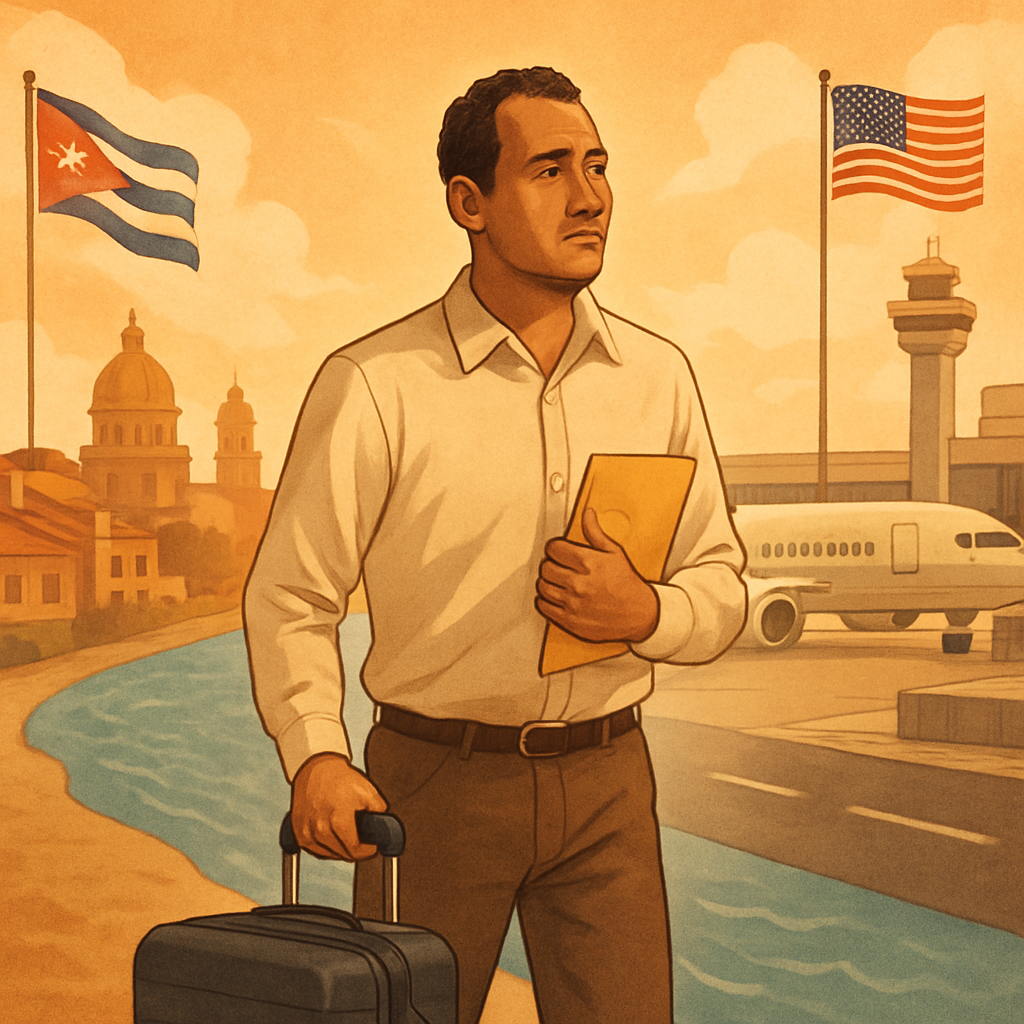
From Havana to Miami: Navigating Humanitarian Parole
Arrival Dreams and Initial Struggles
My name is Luis, a 35-year-old originally from Havana, Cuba. My family and I arrived in Miami earlier this year under the humanitarian parole program. While the prospect of starting anew in the United States was thrilling, the journey was fraught with challenges and unexpected hurdles.
The Sponsor Search
Finding a sponsor was our first major hurdle. Despite having distant relatives in Miami, none were in a position to formally sponsor us. We turned to online forums and community groups for help. Luckily, a local Cuban-American church connected us with a generous family willing to take on the responsibility. My advice to others is to reach out to community organizations and churches—they can be vital resources.
The Wait for Work Authorization
Once we arrived, the next step was securing work authorization, which was crucial for our financial stability. We applied immediately after arriving, but the process was slow. It took over three months to receive our Employment Authorization Documents (EADs). During this time, we relied heavily on our sponsor's support and community donations. If you find yourself in a similar situation, be prepared for delays and have a financial cushion if possible.
Finding Our First Home
Housing in Miami was another challenge. The rental market is competitive, and landlords often required proof of income and credit history, which we didn't have. We eventually found an apartment through a friend of our sponsor. My advice is to network extensively and consider shared housing as a temporary solution. Also, prepare to pay a larger security deposit if you're lacking a credit history.
Tips for Newcomers
1. Network Extensively: Leverage community groups and social media to find connections and resources.
2. Financial Preparedness: Have a savings fund to cover expenses while waiting for work authorization and housing.
3. Legal Guidance: Consult with an immigration attorney or local non-profits for advice specific to your situation.
The Bright Side
Despite the initial struggles, the community support in Miami has been overwhelming. From free English classes to local food banks, we've found numerous resources to help us settle in. My wife has started working as a caregiver, and I'm in the process of securing a job in construction.
Our journey is just beginning, but the warmth and generosity of the people we've met have made all the difference. We are hopeful for what the future holds and are determined to give back to the community that welcomed us with open arms.